DJ MES: Smart Factory Operations Control Center
Full Stack Automation & Digitalization Developer
2025 - 2026
3 Months
projectDetail.industrialAutomation
projectDetail.theChallenge
As plant operations expanded at DongJin Electronics, critical utility status, alarm response, CCTV verification, and incident follow-up were spread across manual patrols, isolated screens, and chat-based communication. Teams could see individual signals, but they lacked a true control center to confirm abnormal conditions, coordinate response, and review what happened afterward. This created delayed decision-making, weak cross-shift visibility, and a real risk that frozen data, missed alarms, or unresolved abnormal conditions would impact molding and robotic processes before engineering teams reacted.
projectDetail.theSolution
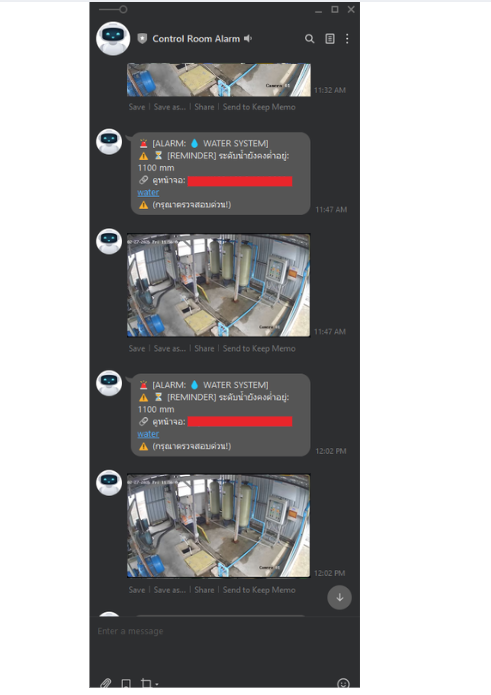
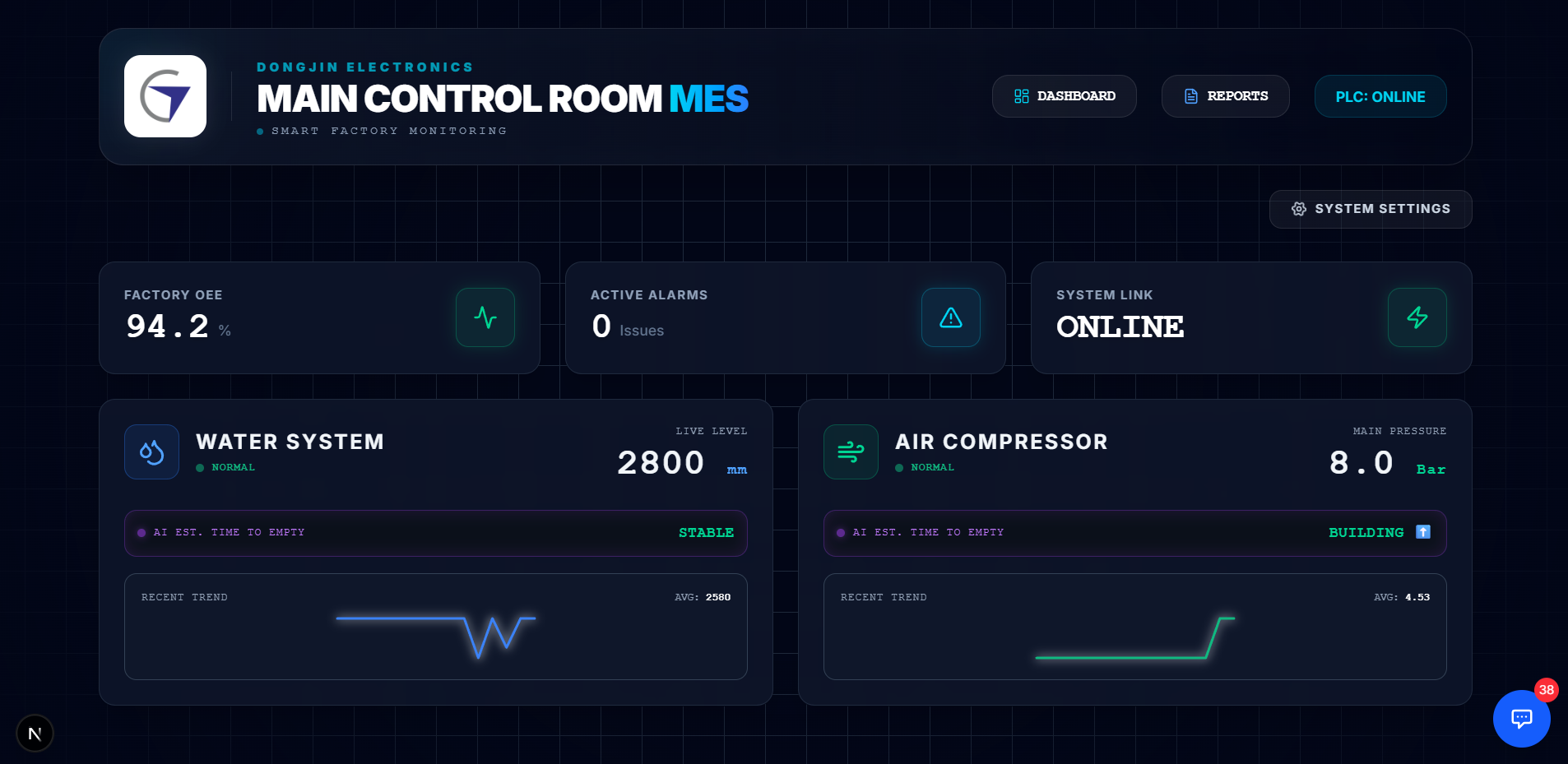
Built DJ MES into a Smart Factory Operations Control Center that combines a Next.js web command dashboard, mobile field access, a Python PLC backend, CCTV integration, historical reporting, and omnichannel alerting. The platform centralizes live plant signals, alarm workflows, camera snapshots and recordings, parameter settings, and audit-friendly operational history in one system, allowing engineers and leaders to detect, verify, and respond to incidents faster from either the control room or the factory floor.
projectDetail.transformationEvidence
projectDetail.systemDemo
projectDetail.systemArchitecture
Plant Signals
Operations Backend
Control Interfaces
Incident Response
projectDetail.lessonsLearned
projectDetail.businessImpact
projects.detailHeading
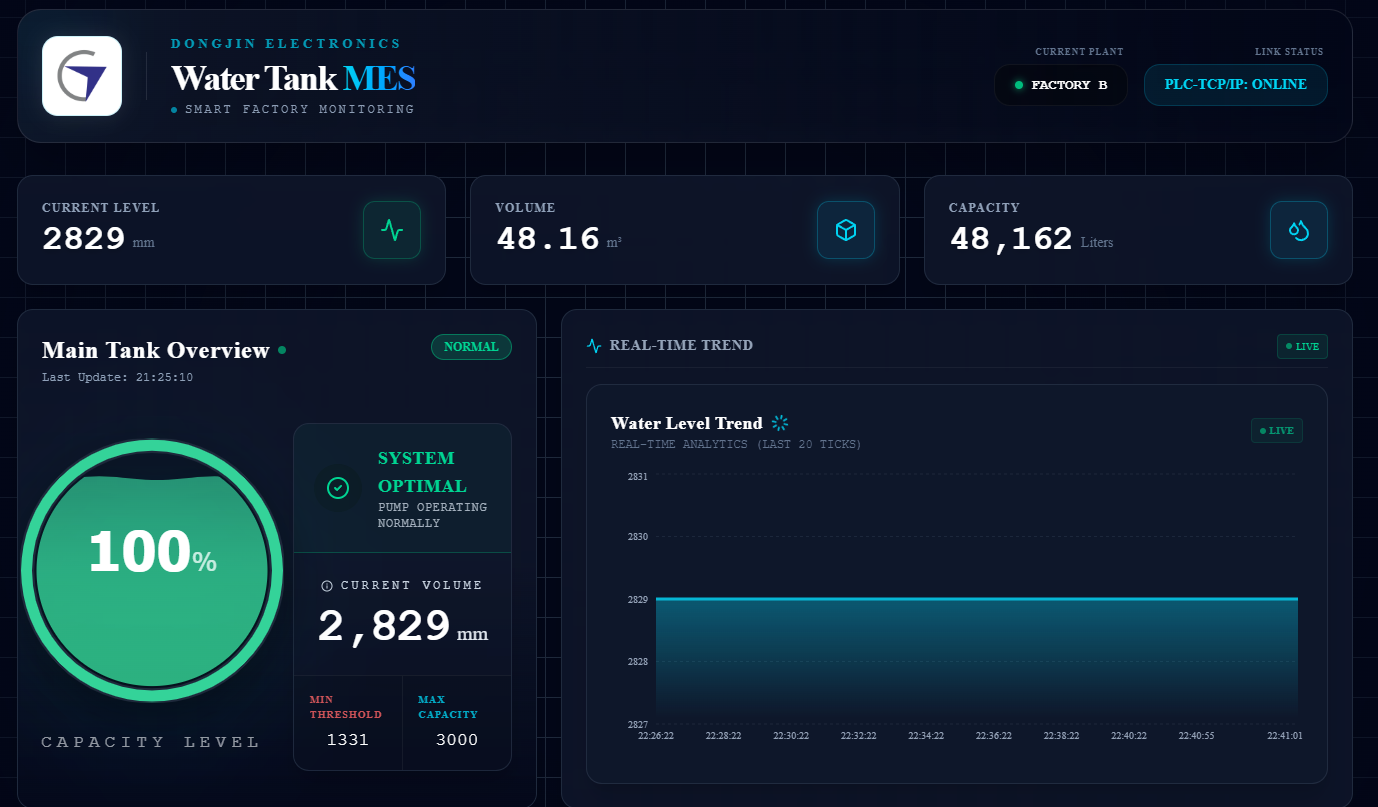
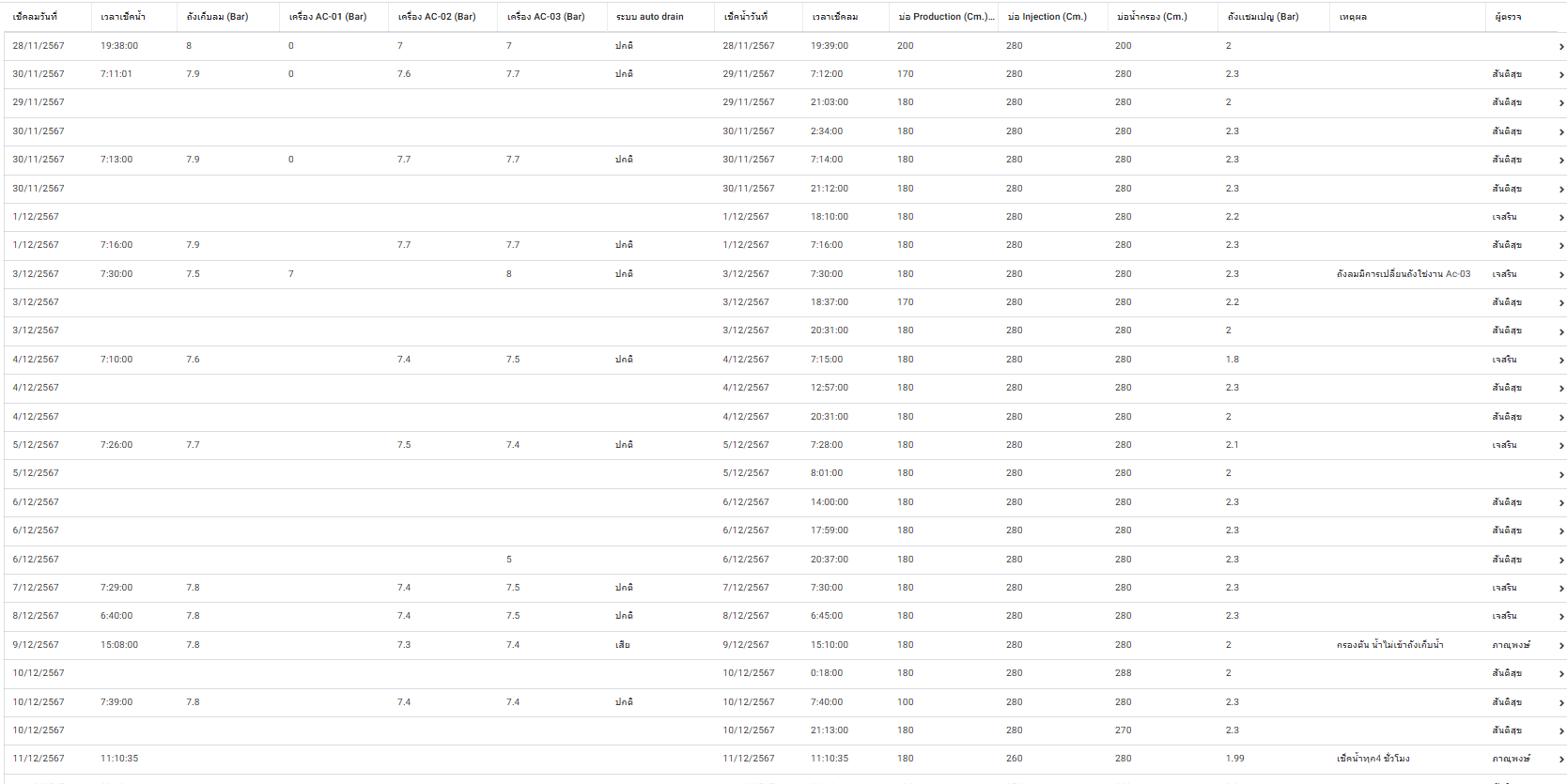
A comprehensive Smart Factory Operations Control Center built to serve as the digital command layer for plant operations at DongJin Electronics. While water level and air pressure remained core monitored utilities, the system expanded far beyond utility checking into a unified platform for live visibility, incident response, camera verification, historical reporting, and field collaboration. Project Scope: - Consolidated PLC-based plant signals, alarm states, and status KPIs into a central web dashboard for real-time operations visibility. - Extended the same operational view to mobile devices so engineers could review alarms, check plant status, and react from the factory floor. - Integrated camera workflows, snapshots, and recordings to support faster incident verification and post-event investigation. - Added reporting, settings management, and audit-friendly history so the platform could support daily operations, not just live monitoring. System Capabilities: - Operations Control Dashboard: Unified water, air, alarm, and plant-status monitoring into one control center with clear status cues and rapid response actions. - Omnichannel Incident Response: Combined on-screen alarm states, audio alerts, mobile access, and LINE messaging to ensure abnormal conditions reached the right people immediately. - Camera & Evidence Layer: Connected incidents with CCTV snapshots, recordings, and visual review workflows so teams could verify problems faster and investigate them later with context. - Reports & Traceability: Added historical reports, event history, and audit visibility to support shift review, engineering analysis, and operational accountability. - Reliability Safeguards: Implemented watchdog and offline-detection logic so operators are warned when live data stops updating and cannot mistakenly trust frozen screens. Business Impact: - Shifted operations from fragmented monitoring to one centralized command workflow for live plant visibility and faster decision-making. - Reduced dependence on manual patrols by giving engineering teams immediate alarm context, mobile access, and historical evidence in one system. - Strengthened traceability across detection, acknowledgment, investigation, and reporting, turning the platform into an active control center rather than a passive dashboard.
projects.technologies
- Next.js
- TypeScript
- React Native
- Python Backend
- PLC (Mitsubishi/LS)
- PostgreSQL
- LINE Messaging API
projects.systemGallery